
7th KuVS Fachgespr?ch on Machine Learning in Networking (MaLeNe 2026)
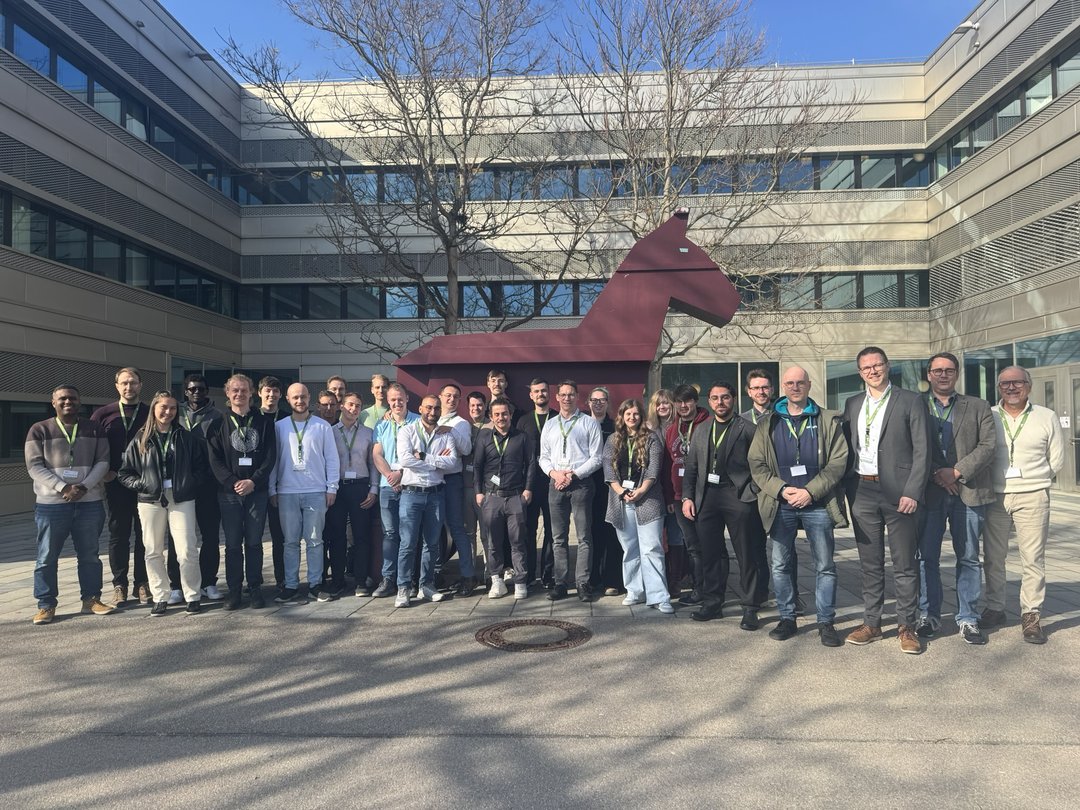
On March 19-20, 2026, the 7th KuVS Fachgespr?ch/Workshop Machine Learning in Networking (MaLeNe 2026) was successfully hosted by the Chair of Networked Systems and Communication Networks at the University of Augsburg (Universit?t Augsburg). The two-day on-site event brought together around 30 researchers from academia and industry to exchange ideas and discuss emerging challenges in the intersection related to machine learning in networking. The workshop was opened by Prof. Dr. Michael Seufert (Universit?t Augsburg), who welcomed participants and outlined the goals of the meeting. The first keynote titled “AI for 6G and AI for Standards - a transformation journey” was delivered by Dr. Andreas Maeder (Nokia). The talk outlined emerging research directions at the intersection of AI and 6G, with a particular focus on standardization processes and the increasing integration of data-driven methods into future communication systems. The remainder of the first day featured two technical sessions covering Security and Intrusion Detection as well as Learning-Based Routing and Congestion Control. Participants presented ongoing work and engaged in in-depth discussions on topics such as intelligent traffic management, anomaly detection, and adaptive network optimization. The day concluded with a guided city tour through Augsburg, offering historical insights into the city’s foundation, its unique water management system, and prominent figures such as Jakob Fugger. The social dinner provided an excellent opportunity for further networking and discussion in a relaxed setting. The second day began with a keynote titled “Industrial AI Today. Autonomous Industry Tomorrow.”, delivered by Dr. Andreas Blenk (Siemens). The talk highlighted current trends in industrial AI, including automation, digitalization, and future research directions toward autonomous systems.?The workshop concluded with two additional sessions on AI for Network Management and Systems, Platforms and Digital Twins, rounding off a diverse and technically rich program. Overall, MaLeNe 2026 provided a valuable platform for exchanging ideas, strengthening collaborations, and identifying future research directions in machine learning for networking. We would like to thank all participants, speakers, as well as the organizers Prof. Dr. Michael Seufert, Dr. Andreas Blenk, Dr. Bj?rn Richerzhagen, and the local organization team at NETCOM for contributing to a highly engaging and successful event. ?